


Today’s preppers aren’t just stockpiling supplies or building bunkers—they’re making smarter choices about energy use, too.
In a world where grid instability, rising utility bills, and environmental concerns collide, cutting back on energy isn’t just a green decision—it’s a practical one. Reducing consumption means greater resilience, fewer dependencies, and long-term savings.
You don’t need to live off-grid to start thinking like a modern prepper. Whether you’re prepping for a blackout, economic downturn, or just want to be more self-reliant, managing your energy use is a powerful place to begin.
The first step toward lowering energy consumption is understanding where your power comes from—and how to diversify it. For many preppers, this starts with adding backup energy sources to reduce reliance on the grid.
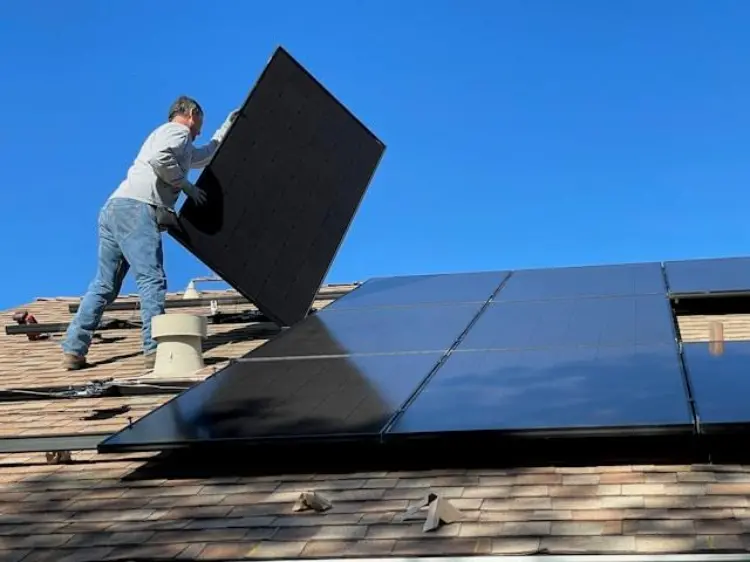
One of the most effective long-term strategies is installing solar panels. These can significantly reduce your monthly utility bills, and when paired with battery storage, they offer a reliable power supply during outages.
Even small-scale solar kits, like portable solar chargers or panels designed for sheds or tiny homes, can ease the load on your main system.
Additionally, think about ways to store the power you already generate. Battery banks, solar generators, and power management systems let you use electricity more efficiently—especially during peak rate periods or emergencies. You don’t need a full solar array to benefit; even a modest investment in backup systems can add resilience and reduce waste.
Not all energy drains are obvious. Many devices use power even when you’re not actively using them—a phenomenon known as “phantom load.” TVs, microwaves, chargers, and even gaming consoles can pull electricity when in standby mode.
Smart plugs and energy monitors can help track these silent users. Once identified, you can set timers, unplug devices, or group them onto a switchable power strip to shut them down fully when not in use.
Heating and cooling also account for a large chunk of energy use. Programmable thermostats and proper insulation go a long way toward maintaining temperature without overworking your HVAC system. For even more control, consider adding thermal curtains or weather stripping to improve your home’s energy envelope.
As well as using LEDs to save energy, motion sensors, dimmers, and smart bulbs can help automate lighting use. These are particularly useful in areas like basements, hallways, and porches, where lights are often forgotten.
Solar-powered outdoor lighting is another smart option, providing security and convenience without adding to your electric bill.
Water heaters are silent but significant energy users. Traditional tank systems keep water hot around the clock, which can add up fast.
Tankless water heaters, which heat water only as needed, are more efficient and take up less space. They’re also easier to integrate into off-grid or hybrid systems. If a new heater isn’t in your budget, insulating your current water tank and pipes can reduce standby heat loss.
Switching to cold water for laundry, taking shorter showers, and using low-flow showerheads can all reduce the energy tied to water heating without sacrificing comfort.
Being prepared in today’s world isn’t just about what you have—it’s about what you need less of. Reducing energy usage builds resilience, independence, and control over your environment. It’s a form of insurance that pays off daily, not just during emergencies.
By thinking like a modern prepper and making small, consistent changes to how you power your life, you create a foundation that’s stronger, leaner, and far more sustainable in the long run.

ChattingBreak Review: What Is It, Is It Safe & Legit?
Looking for an honest ChattingBreak review? Find out what ChattingBreak is, whether the platform is safe, how to log in, and what it offers. Read the full review before registering.
Authors Examining Women’s Rights in Asia During World War II
The complex intersections of gender, war, and memory in Asia during World War II have inspired vigorous scholarly debate and public interest. Across nations that were drawn into the conflict, from Japan and Korea to Southeast Asia, the wartime experiences of women have become critical sites of historical interpretation, human rights discourse, and diplomatic tension. A number of contemporary authors have sought to examine these issues, each bringing distinct perspectives and methodologies to bear on charged topics such as the military comfort station system and the politics of historical narra
Diamond Back Car Accident Loans: Financial Relief While Your Case Moves Forward
After a serious collision, the financial consequences often appear long before compensation arrives. Medical treatment, rehabilitation, vehicle replacement, and lost wages can create immediate strain.


